Friday, February 10, 2017

蔭山樓 Kageyamaro: as good as it gets

It seems like we're always writing about the "best tori paitan we've ever had" on this blog. But tori paitan just seems to be getting better and better - creamier, less greasy, and with greater chicken essence. Maybe there's some shoyu ramen and tsukemen fatigue in Tokyo, but more and more, chefs are trying to coax max flavor from high-quality birds, and this is resulting in better and better chicken noodle soups.

Kageyamaro, with branches in Ebisu and Jiyugaoka, is the newest standard bearer. 

Tori paitan (980yen)

Reminiscent of the now defunct Usagi Shokudo, they serve a refined bowl that is topped with greens and comes accompanied by various garnishments, including a lemon tucked underneath the bowl.


Man, is this stuff good. The details here - the strings of steamed chicken, the various textures of the greens, the umami-rich egg, the squirts of lemon midway through - all give the right accents and zest to the creamy soup and soft, thick noodles.


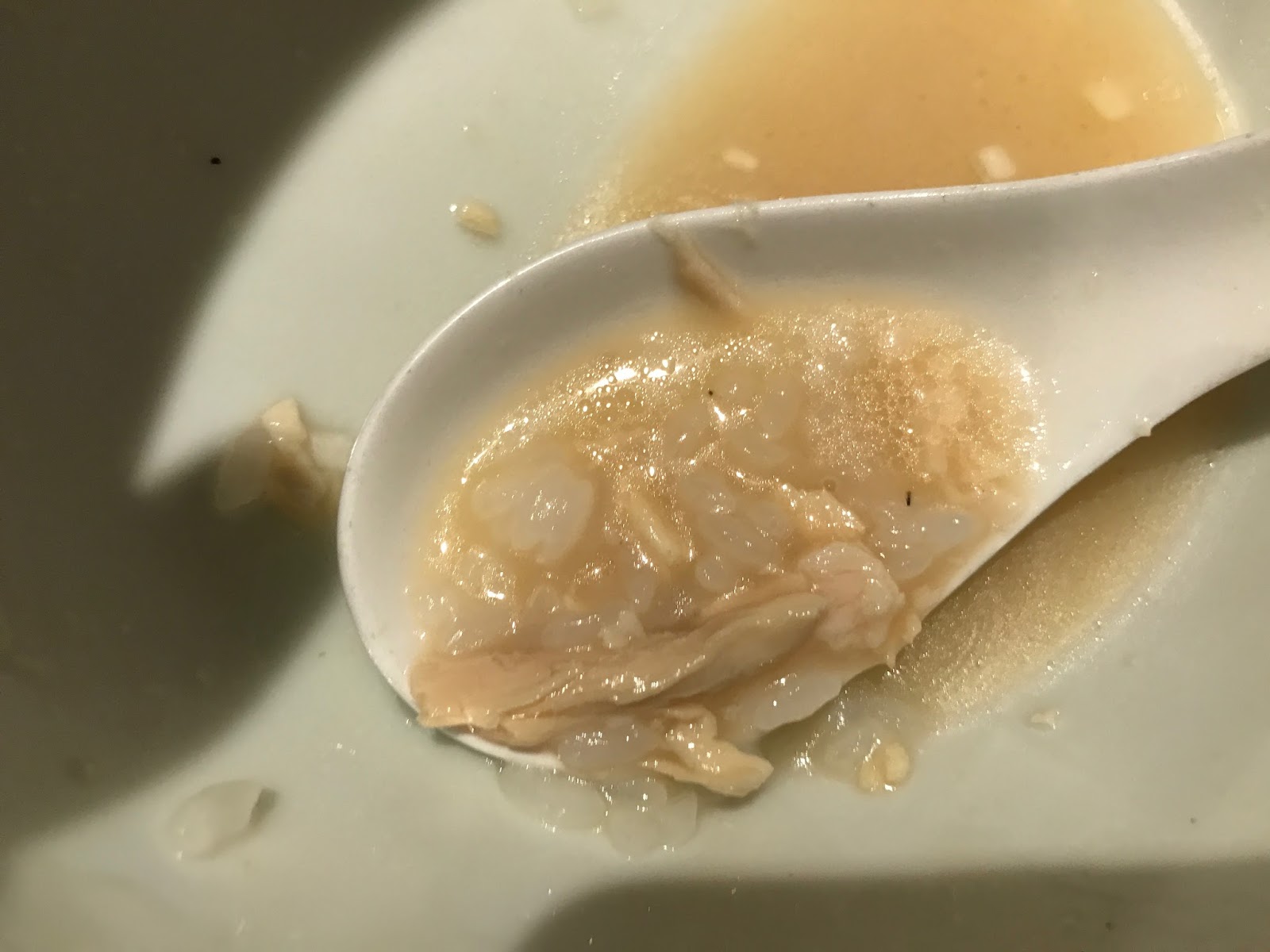
They give you a scoop of rice to soak up that leftover chicken, too.

It's also, at 1280 yen for a dinner bowl, a little expensive. Kageyamaro is a full-service Chinese restaurant, and your fellow slurpers will likely be idle wives of rich businessmen ordering shark fin soup, so if you just want to chow down on tori paitan (or the delicious tantanmen with hazelnuts), lunch is the better option. This is, for now, as good as it gets.

Tokyo, Shibuya-ku, Ebisu 3-2-2
Closest stn: Ebisu

Open from 1130am-3pm and 6-10pm

Hearts

Tuesday, January 31, 2017

百年本舗 Hyakunen Honpo: one hundred years of happiness

Super belated Happy New Year for readers of Ramen Love! Sorry for the lack of updates these past couple of months. A move and many other things kept us busy. But we never stopped eating ramen, so please stay tuned.

Where do you take guests who are visiting from abroad in Tokyo? There are so many places to go, but Akihabara is one of the best options, as its the mecca of electricity, games, and anime. There are a lot of good ramen options, but Yanagi-san's (Menya Sou) newest shop deserves its own special trip.

Niku-jiru chuka soba (780yen)

Niku-jiru chuka soba shio (780yen)

This is an old school chuka soba, imbued with niku jiru, or "meat juice," which in this case means very high quality pork. The shop uses pork chuck in place of the typical pork belly, and the chefs serve it thinly-sliced and with a bit of pink.


Just thinking of this mound of meat makes my mouth water. The shio was also solid, but I gotta rave about the shoyu. The soup is darker and sweeter than your typical shoyu ramen, going really well with the silky noodles and thinly-sliced, fluffy pork. You can customize your bowl with tableside garlic and ginger, which works great to provide some sharpness and depth to the initial sweetness. I love bowls like this where you can enjoy changing the taste until the very last slurp.


While the highlight is the ramen, the Honpo also serves great sides - bowls of rice with that heavenly pork, a Singaporean-style Hainan chicken rice...


...and even some desserts! This ice cream dish was paired with flat noodle-like mochi.


If you're an indecisive person, Yanagi-san provides you with whatever options to suit your mood. His newest shop translates to "A Hundred-Years Headquarters," and here's hoping that it's around serving happy people in a hundred years, even if Hearts and I are long dead by then.


Tokyo, Chiyoda-ku, Sotokanda 3-8-9
Closest stn: Akihabara

Open from 11am-10pm

Lum

Tuesday, November 29, 2016

博多ラーメン ばりこて Barikote: porco rosso

How have I not come here before? Barikote is among the handful of best Hakata ramen shops in Tokyo. On a rain-soaked typhoon night, this was the perfect post-drinking ramen.

Hakata ramen (650yen)

Appropriately priced, this is Hakata ramen at its finest - cheap, quick, stinky soul food. Barikote's broth is cloudy and white, made from 100% pork bones boiled for over 16 hours. No cheating with fish soup, chicken, or vegetables here. Surprisingly, this broth is mellow and easy to drink, packing all of the punch of a thick pork stew with none of the heaviness.


The noodles are fantastic, handmade and shipped in from the main shop in Nagahama, Kyushu every single day.


I recommend eating the noodles and drinking only a minimal amount of the soup. Then, order a half or full kaedama 替え玉 (extra portion of noodles) for a mere 50 or a 100 yen more. Trick out your second helping with the standard spicy takana greens, pickled pink ginger, and copious amounts of grated garlic and sesame seeds.


Maybe shops like this are a dime a dozen in Hakata, but Barikote's pure, piggy, and fulfilling tonkotsu is a rarer beast in Tokyo.


Tokyo, Suginami-ku, Koenji Minami 1-30-15
Closest stn: Higashi-Koenji

Open from 1130am-3pm and 530pm-2am (closed Mondays)

Hearts

Saturday, November 5, 2016

らぁ麺 やまぐち辣式 Yamaguchi Ratsushiki: salt n' pepper

Sometimes, I'm tempted not to blog about my favorite ramen shops, lest they become overrun by tourists. Yamaguchi's latest shop falls under such consideration. This is Yamaguchi's second shop after his shoyu shop in Takadanobaba, one of Hearts two or three favorites in the city.

"Ratsushiki" is difficult to translate exactly into English, but might best be defined as "sharp style." This is ramen with bite. They only serve a mapotofu-inspired mazesoba...

Mara mazesoba with small rice (800yen)

...and a shio ramen (always get the wontons).

Shio ramen with shrimp wontons (930yen)

First off, the shio. This is not a side endeavor for Yamaguchi-san. The soup - beautiful and golden - has an addictive quality that makes one not want to put the ladle down. You could call this ramen "crack style." The flavor of the ingredients used to derive the dashi - seaweed, scallops - is very strong, but work in harmony. This soup could be served in an expensive Japanese kappo dinner. I doubt I'll taste a better ramen than this one in 2016.


The mara mazesoba was a totally different beast. Yamaguchi-san told us that he loves mapotofu and was inspired to make a ramen out of it. Lots of Chinese-style diners serve mabo ramen, but he found that the tofu made the bowl too watery, so his mabo mazemen eliminates the tofu for a pure umami experience. The spicy paste, numbing pepper, and combination of ground and chopped pork provides a counterpunch to the refined shio. Despite being spicy, the flavor is never overwhelming, and you can taste the quality of the bowl until the very last slurp. For those who want a less intense and more creamy experience, add the onsen tamago soft-cooked egg. Definitely order a side of white rice to make sop up the last remaining bits of sauce.


I thought Yamaguchi-san only made shoyu ramen, but his expanded offerings blew my mind. The only thing I wish is that his shops were closer to my home and work.

Tokyo, Koto-ku, Toyocho 4-6-3
Closest stn: Toyocho

Open from 1130am-3pm and 530-9pm (closed Thursdays)

Lum

Thursday, October 20, 2016

麺屋 一楽 Ichiraku: stay with you

Ichiraku is one of the thickest bowls of chicken sludge in the city. Made from whole chickens boiled for hours on end by the solitary chef of the shop, its a rich bowl with collagen character.

Noko tori paitan (770yen)

Open until 1am on weekdays and located about 30 seconds from Iidabashi station, this is post-drinking tori paitan if you have the stomach for it. The broth is bubbling when its plopped in front of you and the medium-width noodles are stringy and chewy. The whole thing looks and feels a little wet and sloppy, and your lips will be glistening with grease and oil and chicken fat after about two minutes.


But you'll finish it, especially after a late summer night of beers. You might regret not ordering an extra helping of the thinly sliced, fatty chicken chashu, and you also might regret eating the whole thing an hour later. Ichiraku's thick paitan will stay with you, for better and worse.


Tokyo, Chiyoda-ku, Fujimi 2-3-14
Closest stn: Iidabashi

Open from 11am-1am (closes at 9pm on weekends)

Hearts